
(707) 539-4533 |  Sonoma Napa and Marin Counties

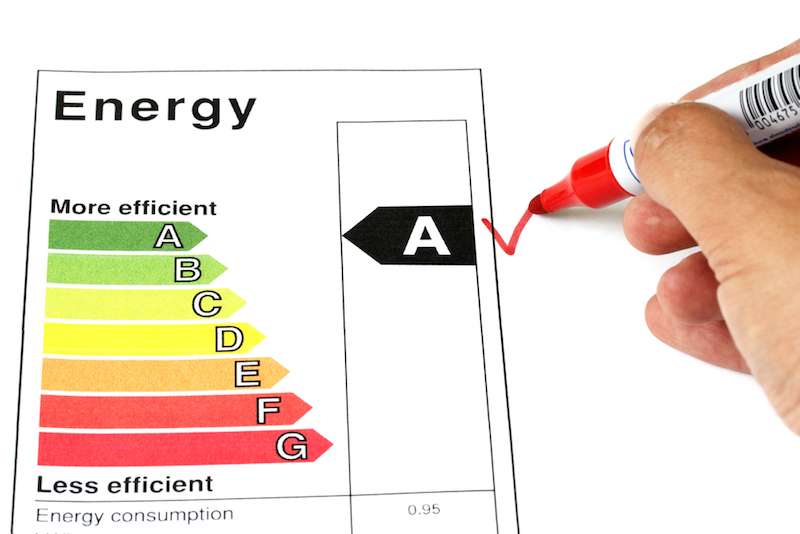
Making your home more energy-efficient can help you do your part to protect the environment while also letting you save on your energy bill every month. How can you do that? You could focus on insulation, or your doors and windows, but the best place to begin is with your HVAC systems. One of the best ways to cut back on your energy use is to invest in a more energy-efficient heating system. However, not all energy-efficient heating systems are the same. They come in many different forms and use many kinds of technology, so which type is best for your home? Let’s look at the factors that you need to consider when choosing one so you can more easily lower your heating bill.

Compare and Contrast Energy Efficiency and Cost

The home heating system with the highest energy efficiency may not save you the most money, mainly because the cost of a home heating system, even among the efficient ones, will vary. For example, heating systems that are 10% more efficient than an alternative option may cost you twice as much to install. As a result, it takes longer to “pay back” the unit’s cost in terms of energy savings.

These costs aren’t just affected by the systems themselves either. You may also find a disparity in installation costs, especially if you already have one kind of heating system installed and you want to switch to energy-efficient heating of a different type. For example, if you already have an electric resistance heating system installed in your home, then replacing it with a gas furnace or an oil-powered boiler system may be more expensive.

To get a better idea of which type of home heating systems will lower the heating bill the most, seek professional insight into your home’s needs.

Suppose being more environmentally friendly is your primary concern and you have the room in your budget. In that case, you should instead focus on which energy-efficient heating system will use the least amount of energy, rather than looking for the lowest installation cost.


Consider What Type of Distribution System You Want to Use

Although your energy-efficient heating system will generate the energy that you need to warm up your home during the winter, it doesn’t alter each room’s climate on its own. For this, you need a home heating distribution system. There are several pros and cons for each home heating distribution system for you to consider, but none of this matters if it isn’t compatible with your primary heating system. As such, you must consider how compatible your home heating distribution system of choice is with your energy-efficient heating system. It’s especially important if you plan on continuing to use the distribution system that is already installed in your house.

Check out this list of the most popular home heating distribution systems, and which primary heating systems they are compatible with.

Radiant heating systems

These energy-efficient heating systems use coils underneath your floors or walls to radiate warm energy throughout a room. They are compatible with the following types of heating systems:

  • Boilers
  • Heat pumps
  • Solar heating
  • Electric heating
  • Radiant steam


Radiant Steam

These distribution systems disseminate warmth through a room via radiators, which pump hot water through large metal coils. They are compatible with the following types of heating systems:

  • Boilers


Forced Air/Ducted Systems

These distribution systems use the heating system’s heat energy to force pockets of warm air through a room. They are compatible with the following types of heating systems:

Hot Water Baseboards

These distribution systems radiate heat throughout a room via baseboards, through which hot water flows. They are compatible with the following types of heating systems:

  • Boilers
  • Solar heating


Electric Baseboards

These distribution systems use electric baseboards to convert electric energy into heat and then radiate warmth throughout a room. They are compatible with the following types of heating systems:

  • Electric Resistance

Making your home more energy-efficient requires you to consider all factors, from installation cost and long-term energy usage to compatibility with your home’s existing systems. Which energy-efficient heating systems made your shortlist?

If you’re installing a new house heating system—be it a furnace, a boiler, or a heat pump—it’s essential to take your time in properly sizing the system. Believe it or not, furnaces are not a one-size-fits-all kind of appliance. On the contrary, your home may need a different size of heating system depending on numerous factors, including the size of the house and where you live.

The good news is that working with an HVAC contractor will help make this process much easier. Your HVAC contractor will know how to calculate the right heating system size based on relevant variables. However, if you want to give your HVAC contractor a basic ballpark idea of the system you’ll need, or if you’re trying to shop for furnaces or heat pumps online, it’s good to know how to figure out heating system size.

Figuring out the Variables

Before you can do any calculations or arrive at any concrete figures regarding the size of your house heating system, you need to figure out the various variables that will affect your system size. These variables tell you how hard your furnace or heating system will have to work to retain a consistent temperature in your home. The harder the furnace must work, the larger your system will likely need to skew. If the furnace has a relatively easy job to do, you can rely on a smaller system.

There are four main variables you will need to consider:

  • The size of your home: It goes without saying that heating a larger home requires more energy than heating a smaller one. As such, your square footage will be a crucial part of the calculations for the size of the heating system that you’ll need. Luckily, you probably either know the square footage of your home or can easily look it up on your property deed. Write this figure down and keep it close, because you will need to use it in future calculations.
  • Where you live: The United States is split into several different “climate zones,” based on average temperatures and typical weather plans. Zone 1 encompasses much of the southern United States—hot, humid places that rarely see winter weather or overly cold temperatures. As you move north, you stray into Zones 2, 3, 4, and 5. Zone 5 includes most of the far northern states—places such as Montana, Minnesota, Wisconsin, Michigan, and Maine—that tend to see long winters and cold temperatures. Your zone will determine how many BTUs of energy are required to heat your home, which can in turn answer the question of what size of furnace you need.

Note: You can find a map outlining the various climate zones by looking at this furnace sizing calculator. The BTU requirements for each zone are as follows.

  • Zone 1: 30-35 BTUs per square foot
  • Zone 2: 35-40 BTUs per square foot
  • Zone 3: 40-45 BTUs per square foot
  • Zone 4: 45-50 BTUs per square foot
  • Zone 5: 50-60 BTUs per square foot
  • Insulation: As you can see, there is a range of BTUs for each zone. Based on the chart, if you own a 2,000-square-foot home in Zone 5, you could need between 100,000 and 120,000 BTUs to heat your home effectively. Obviously, this is a fairly big range. A furnace that is rated to deliver 110,000 BTUs would be enough for heating a house on the low end of the scale, but insufficient for a home on the higher end. How do you determine where your home lands? The big factor here is insulation: how well insulated your house is will affect where on the scale you fall. If your home is new (or newly renovated) and has excellent insulation and energy efficient windows, you can opt for a furnace toward the lower end of the spectrum. If your home is older, is known for being drafty, or has a lot of windows, then you’ll want to select a furnace toward the higher end of the spectrum.
  • Furnace Efficiency: Finally, you need to pay attention to the efficiency ratings of the furnaces or heating systems you consider. For instance, you might be looking at a 100,000 BTU furnace that is rated to 93 percent efficiency. That furnace will actually produce 93,000 BTUs of heating, rather than 100,000. If your home needs 100,000 BTUs of heating, you will want to go up to the next tier of furnaces to be sure you are getting enough heat.

Start Sizing Your House Heating System Today

Using the above variables and calculations will help you land in the ballpark of the size of the house heating system you need. It’s still not a bad idea to work with an HVAC pro to figure out the exact right furnace for your home. However, now you will at least know how furnace sizes vary and how you can navigate the market to find a sufficient heating system for your home.