(707) 539-4533 |  Sonoma Napa and Marin Counties

Is there a difference in air quality when you replace your air filter?

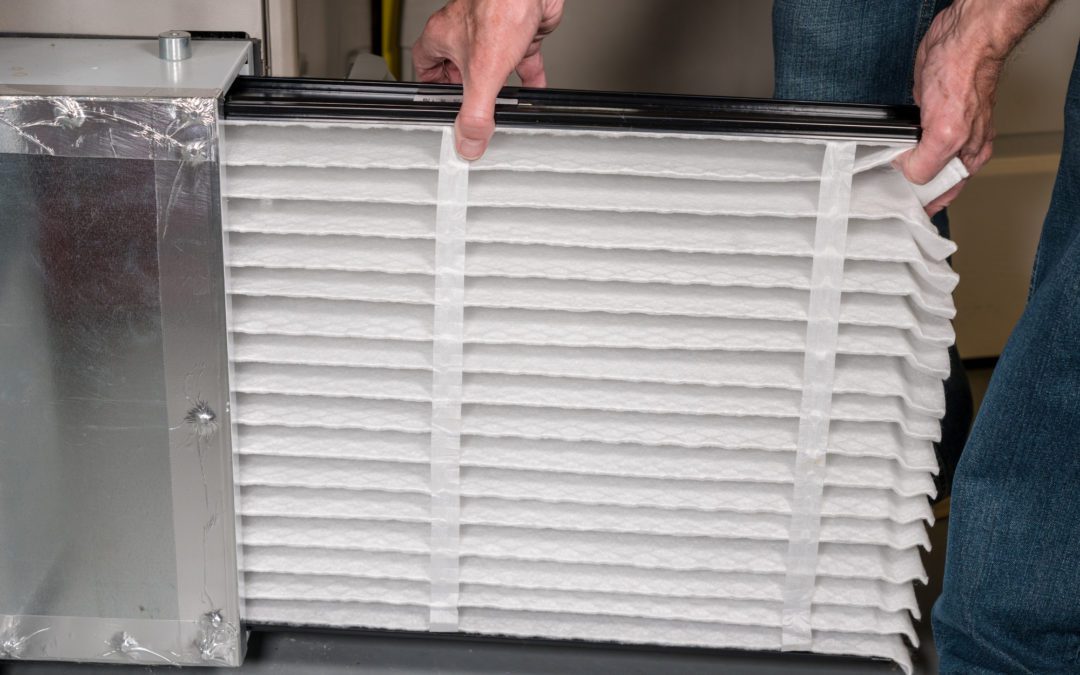
Regular replacement of air filters on your HVAC system will make a difference in the air quality in your home. People install HVAC systems in their homes to regulate the temperature practically and effectively inside the house or building, but this is hardly the only practical functionality of the system.

An HVAC system exists primarily to eliminate the effect of outdoor temperature on the temperature indoors. To do this, it warms – or cools – air inside the property before circulating it into the building. To be effective, it needs a steady supply of fresh air entering the building; otherwise, it just keeps recirculating the same air repeatedly.

One of the main risk factors associated with a system like this is air pollution. Simply keeping a closed-loop and continually recirculating the air may be first prize in terms of effective temperature control. Still, the carbon dioxide levels we breathe out will eventually increase, resulting in insufficient air circulation.

Carbon dioxide is not our only problem when it comes to indoor air quality, though. Human activity causes different kinds of air pollution that needs to be effectively trapped for clean air to continue circulating through the home. This is where air filters come into play. HVAC systems are equipped with air filters that aid in trapping pollutants such as dust, pollen, and more, preventing them from entering the home.


How Changing Air Filters Make a Difference in Air Quality

The vast majority of Americans live in or proximity to large cities, where they come in continuous contact with air pollution emanating from factories, vehicle emissions, and other activities. Studies have shown that many of these air pollutants end up in homes and buildings as entering the building is easy enough, but a lack of adequate circulation can lead to a build-up of air pollutants in houses and buildings.

  • Air filters trap particles in the air in homes, stopping them from being recirculated through the house. Pollutant particles can include dust, pollen, dirt and other impurities which are so small that they are not visible to the naked eye. While mechanical filters commonly used in HVAC systems are highly effective at trapping particles and pollutants, they do not trap gasses.
  • HEPA filters, used in all HVAC systems installed by reputed HVAC companies, are a type of high-efficiency filter that effectively traps dust and pollen as well as much smaller particles such as moisture, some bacteria, some virus, aerosols, and other microorganisms.
  • Air filters have a predetermined lifespan and need to be changed regularly for them to be effective continually. This will result in the effective removal of dirt, dust, pollen and other pollutant particles in the air, and thus better quality circulated air inside the property.


To What Extent Does Regular Replacement of Air Filters Make a Difference in Air Quality?

The difference in air quality in homes where filters are regularly changed can be significant. Though not necessarily immediately noticeable by most people, one could start to experience some symptoms related to dust, pollen and other particles floating around the air within as little as an hour.

  • Regularly changing your air filters and having your ducts professionally cleaned at least once per year will result in noticeably less dust and other particles in the air. Common symptoms associated with dirty, ineffective air filters include a blocked nose, sneezing, coughing, and headaches, even in those of us not sensitive to pollen.
  • People with allergic reactions to dust and pollen will have noticeably fewer reactions to allergens in a space where air filters are regularly cleaned or changed, as the filters more effectively trap common allergens.
  • HEPA filters remove up to 99.97% of particles sized to 0.3 microns from the air. These include many common bacteria and viruses, meaning that the chances of catching an airborne contagious disease like the flu simply by being in the same house as an infected person are significantly reduced.


Benefits, Besides Difference in Air Quality, or Regularly Changing Air Filters

Numerous studies have concluded that indoor air quality tends to be much worse than outdoor air quality in general. While it is relatively easy for pollutants and particles to enter the home, less than ideal ventilation and filtration in most cases make it difficult to remove particles from the building. Effective filtering will result in cleaner air, but there are more benefits to consider.

  • In addition to effectiveness, the most prominent concern with HVAC systems is cost-effectiveness. For example, dirty and clogged air filters mean your HVAC system expends more energy in pushing air through the filters and vents, causing higher utility costs and more frequent expenses in terms of repair and maintenance of your HVAC system.
  • Regularly cleaning or changing air filters, combined with regular maintenance, will result in a longer lifespan of your HVAC system.
  • Attain optimal temperature control. With less energy expended in filtering, your HVAC system will be more effective at maintaining the ideal temperature in the house.

Keeping your HVAC system in perfect working order is easy. Simply ensure that tasks that guarantee its effectiveness, like changing air filters and having ducts regularly cleaned, is carried out as and when necessary. Not only will it result in more effective operation in keeping your house warm or cool, but it will also make a difference in air quality in the home.
 

If you’ve been reading any of our other articles about taking care of your HVAC, you probably already have some idea of how important filters are. Changing the air filters in your system on a regular basis comes with many benefits and can help prevent costly and inconvenient problems. However, what many homeowners do not understand is that there are several distinct kinds of filter they can purchase for their home air conditioners. Understanding which home air conditioner filter is right for your property and HVAC can allow you to optimize your system’s performance and ultimately enjoy better cooling capabilities at the lowest possible long-term cost.

 Below, we’ll break down the different types of home air conditioner filter that you might be able to buy in your area, and discuss their respective pros and cons. By the time you’ve finished reading, you should have a thorough understanding of precisely what you need and know who to contact to help you acquire it.

Different Types of Home Air Conditioner Filter: An Overview

Home Air Conditioner FilterThere are three common kinds of home air conditioner filter you will probably have to choose from when you go shopping: mechanical, pleated, and electronic. Each of these varieties may outperform the others in specific circumstances, or when held to particular criteria. As such, it’s important to consider your home and your needs carefully when deciding on which kind of air conditioner filter to buy for your system.

Mechanical: mechanical air filters are by far the most common kind, so there’s a good chance that you already use them at home. They trap dust and debris using small synthetic fibers (generally made from fiberglass) that are woven across the aperture of each filter in a kind of mesh. Almost all disposable filters fall into this category since they are the simplest and the cheapest to produce. While most of these filters are perfectly suitable for use in home air conditioning systems, they have certain qualities that may present drawbacks under specific conditions. For example, the mesh responsible for filtering out unwanted particles can easily be damaged if the filter is handled (especially when someone attempts to clean one). For that reason, it is recommended that you do not attempt to use disposable filters more than once. Buy new ones and remember to change them at the end of each month when you are running your air conditioner. If you’re looking for a convenient type of filter that you can purchase almost anywhere, then this is a perfectly reasonable choice.

    • Pleated: the first thing you should know about pleated air conditioner filters is that they’re more expensive than their disposable fiberglass competition—in fact, they tend to cost at least twice as much. What do you get for the extra money? Well, for one thing, you’ll only have to change these filters every 90 days or so. As such, the longevity of using pleated air filters almost always offsets the cost of purchasing them. Pleated filters are also more durable than disposable fiberglass filters since they are usually built with a wire backing that protects the synthetic fibers used to capture particles. They can even catch a broader range of unwanted materials, including pollen, pet dander, dust mites, and bacteria. They may even be able to prevent mold. Pleated filters are a reliable choice for healthy homeowners who wish to protect their homes from a wide variety of potential contaminants.
  • Electrostatic: these filters are far and away the most expensive kind you can purchase, but they’re also the most effective kind for filtering out debris that might pass through other filters. As with pleated filters, they only need to be changed every three months or so (although they should still be cleaned monthly while in use, as this can extend their lifespan to six months). They function by using electricity to attract smaller particles than other filters can capture—such as tobacco smoke. If someone in your home has sensitive lungs or suffers from asthma, it may be worth investing in an electrostatic filter to make sure they can keep breathing easy.

Learning More about Which Home Air Conditioner Filter will be Right for You

 There may be additional factors to consider depending on where you live and the type of home you own, so it is always best to consult with professionals who will be able to give you more in-depth advice. Reach out to a licensed HVAC contractor at your first available opportunity and speak with an experienced technician who will be able to tell you more about the options available to you. Use this guide as a starting point and find your way to a filter that will help you maintain an efficient air conditioner in the months to come.

Dust Mites in your HVAC Ducts

Check with us here at Valley Comfort Heating and Air, our customers love our attention to detail and our friendly, affordable service. (707) 539-4533

When Should I Replace My Air ConditionerOwning a central air conditioner is essential for many Americans living in parts of the country with extreme temperatures throughout the summer months. However, air conditioners are intricate pieces of machinery that require regular maintenance for a long and productive lifespan, and nothing lasts forever. You might be diligent about taking care of your system with DIY preventative maintenance and routine service calls from a licensed HVAC contractor, but eventually, your air conditioner will cease to work cost-effectively. When that happens, you’ll need to replace it. The question on many of your minds will probably be: when should I replace my air conditioner?

The first struggle for many people is to differentiate between a malfunction that requires your entire system to be replaced and one that can be fixed with a simple repair. That’s not all you’ll have to consider, though. You’ll also have to think about whether your system is likely to break down again soon after you’ve paid for repairs. Some systems may be prone to enough problems that even relatively inexpensive repairs can build up quickly in short periods of time, and make replacement a more cost-effective option overall.

When Should I Replace My Air Conditioner vs When Should I Repair?

Let’s begin by addressing the “repair or replace” problem. The truth is, your system can always be repaired. There is technically no malfunction severe enough that you can’t call in a technician to fix it. The question isn’t whether you can, though—it’s whether you should. The decision you make should be based on how much money it is likely to save you as you continue to use your system. Simply put, some air conditioners are worth fixing, and others aren’t. The primary factor to consider when making this determination is age, but there are others.

The Rule of Thumb I Use to Determine When I Should Replace My Air Conditioner

There’s no exact and universal equation for determining exactly when a system is too old to be used cost-effectively, but most HVAC contractors use a simple formula to make their recommendation. To use this method for yourself, you’ll need three pieces of information: the price of a replacement air conditioner, a quote for your current system’s repair costs, and the age of your current system in years.

The rule of thumb is this: multiply the expected repair costs for your current system by its age in years. If the result is less than the cost of a new unit, repair your current model. Otherwise, consider replacement. Some contractors use a flat figure of $5000 instead of the exact price of a new unit, but the more specific you are, the more help this formula will offer.

Using the above formula considers the fact that old air conditioners break down more frequently than newer models. However, there’s something else you should think about when deciding between a repair and a replacement: the availability of compatible parts. Let’s look at refrigerant for example:

Refrigerant and Cost-Effectiveness: a Case Study in AC Economics

Old air conditioners tend to use R-22 refrigerant, whereas many new models are built to use R-410a. What does that mean? Simple: as R-410a becomes the norm, it will become harder to find refrigerant suitable for use in older air conditioners. As a result, the costs to top up refrigerant in these systems will likely increase. The cost is already many times what it used to be, so if your system uses R-22, then replacement is an option you should probably keep on the table.

Keep Track of Your Costs

There’s one other easy strategy for determining when to replace your air conditioner: check your utility bills each month. If your company isn’t raising the rates but your costs are going up, then your air conditioner is probably losing its efficiency. This is a surefire way to tell that your system isn’t cost-effective anymore.

Keep Up with the Times

Finally, it’s important to realize that many older air conditioners weren’t built to cope with the temperature changes of the last few years. Science doesn’t lie: the planet is getting hotter. Among the numerous consequences that this has for humans, there’s at least one pertaining specifically to air conditioners: a unit that was adequately sized to your home a decade ago may not be powerful enough to cool it efficiently now. Hopefully, we’ll come up with a solution for global warming soon, but until then you might want to have a more powerful air conditioner in your home.

Remember: you can always choose to repair your air conditioner instead of having it replaced by a licensed HVAC technician, but that may not be good for your long-term finances. Instead of wondering, “when should I replace my air conditioner?”, think about how you will replace it and who you’ll choose for help when the time inevitably comes.

Many homeowners are concerned about indoor air quality, especially given the fact that high winds have brought an increase in dust and debris indoors. In fact, these winds have caused problems with everything from home air quality to the performance of HVAC equipment. Unfortunately, with high winds being a concern all across the country, homeowners are beginning to look for effective ways to help protect their families from the potential risks that diminished air quality can present.

While the dust and airborne particles that have been circulating as a result of increased winds have caused issues with indoor air quality and mechanical systems, there are things homeowners can do to help alleviate many of these problems. For example, a professional HVAC technician will be able to provide effective HVAC vent cleaning to help remove damaging particles from key components, leaving your HVAC equipment functioning more efficiently. Additionally, when the grit and debris is removed, your heating and cooling equipment will be less likely to experience mechanical failures.

HVAC equipment is designed to operate under extreme conditions; however, it does need regular maintenance and occasional repairs by a qualified technician to keep it functioning at its best. With the increase in airborne particles caused by these high winds, many homeowners are experiencing problems with their HVAC equipment. Unfortunately, without a thorough cleaning and the removal of dust and debris from your equipment, mechanical failures and expensive repairs can result.

Another problem that many homeowners are experiencing is a musty smell when they turn on their cooling system. The problem is often caused by dirty evaporator coils in your air conditioner. With the increase in dirt circulating around your HVAC equipment, it is not surprising that these coils are dirtier than ever. As dirt accumulates on the evaporator coils, the likelihood of a clogged drain pipe increases. Unfortunately, if your drain pipe becomes blocked or clogged, condensation from your cooling system will not be able to properly drain, leaving the collection pan beneath the coils filled with water, creating a breeding ground for mold and mildew. In fact, that musty smell you notice is a result of this mold circulating through your home.

The accumulation of dust, mold and other airborne contaminants can cause a number of health problems for your family. It is important to take care of indoor air quality problems as quickly as possible. Not only will your family feel better, but your home’s HVAC system will be better protected against breakdowns. A professional HVAC technician will be able to perform air quality tests as well as provide home comfort solutions such as air duct cleaning and equipment maintenance designed to ensure the healthiest indoor environment for your family. Contact a HVAC professional today to resolve indoor air quality problems.

AC systems are a very important part of the everyday functions of the home. Without these systems, our homes would become too hot to bear during the summer months and we would be miserable. When your AC goes out, even for just a few minutes, it can mean a drastic change in the comfort level of the home. it is important for home owners to have their units serviced and maintained on a regular basis to ensure that the unit is functioning as it should. However, eventually an AC system will need to be replaced. It is important for home owners to understand the signs that tell you when to replace your AC systems. Below are a few tips to understanding the basics.

Noisy

If your existing AC unit begins to become noisy and it is too much to bear, it may be time to have a new unit installed. You can continuing repairing the issue with your existing unit but if the issue returns, it is best to invest in a newer, more quiet model.

Repair Issues

If you find that you are repairing your unit on a regular basis, you may want to invest your money in a new unit, instead of repairs. Over time, repairs can add up and you may be spending what you could have for a new unit. Take the time to compare the costs and decide if a new unit is the better, more cost effective solution.

Energy Efficiency

Home owners also need to consider the energy efficiency level of their existing unit. An older unit, ten years or more, may be on its last leg and less efficient than a newer model. An older unit can have a lower energy rating and therefore be costing you money each and every month it is in operation. Many home owners have found that once they switch to a new unit, they are saving energy and money each month on their utility bill!

Savings

As we mentioned before, a new unit can save you money. you may have a large cost in the beginning but overall, the unit will quickly pay for itself and then some. With a new install, you will see your money back within a few years with the money you save each month on your utility bill. And not only that, but you will also be more comfortable in your home than you have ever been!

Contact us for your Duct Cleaning

Professional Advice

When making a big decision like a new AC system install, it is best to consult a professional. A top quality and experienced technician will be able to assess your property and help you determine if a new install will be the best route to take. They will also be able to help you determine which option will work best in your home for energy savings as well as money savings each and every month. Take the time to speak with your local provider to find out if you will benefit from such a change!


10 FAQs About When you should Replace Your AC System

1. How do I know if my AC system needs to be replaced?

If your AC unit is noisy, requires frequent repairs, or is over ten years old and less energy efficient, it might be time to replace it. A newer model can offer better performance and energy savings.

2. What are the signs of a failing AC system?

Signs include increased noise levels, frequent repair needs, poor cooling performance, and rising energy bills. These symptoms suggest your AC is struggling to function efficiently and may need replacement.

3. Can a noisy AC unit be fixed, or should it be replaced?

While you can repair a noisy AC unit, persistent noise might indicate a larger issue. If the noise keeps returning after repairs, it’s often more cost-effective to invest in a newer, quieter model.

4. How can I determine if I’m spending too much on repairs?

Compare the cost of frequent repairs to the cost of a new unit. If repair bills are adding up, it might make more financial sense to replace the system rather than continue paying for temporary fixes.

5. Does upgrading to a new AC system save money in the long run?

Yes, a new AC unit, especially one with a high energy efficiency rating, can reduce your monthly utility bills. Over time, these savings can offset the initial investment in a new unit.

6. How can I check if my AC system is energy efficient?

Look for the unit’s SEER (Seasonal Energy Efficiency Ratio) rating. Older units may have a lower SEER, meaning they consume more energy. If your AC is over ten years old, it’s likely less efficient than modern systems.

Contact us for your AC Furnace Repair

7. What are the benefits of a more energy-efficient AC system?

An energy-efficient system uses less electricity, reducing your utility bills. It also helps maintain a more consistent temperature in your home and reduces your carbon footprint.

8. How long does it take for a new AC system to pay for itself?

With the energy savings from a more efficient unit, many homeowners find that their new AC system pays for itself within a few years. Savings come from lower energy bills and reduced maintenance costs.

9. Should I consult a professional before replacing my AC?

Absolutely. A professional technician can assess your home’s needs, recommend the right size and type of unit, and help you choose a model that will save energy and money in the long run.

10. What’s the best time of year to replace my AC system?

The best time to replace your AC is before it breaks down during the peak summer months. Replacing it during the off-season can help you avoid emergency replacements and may even offer better deals from HVAC companies.