
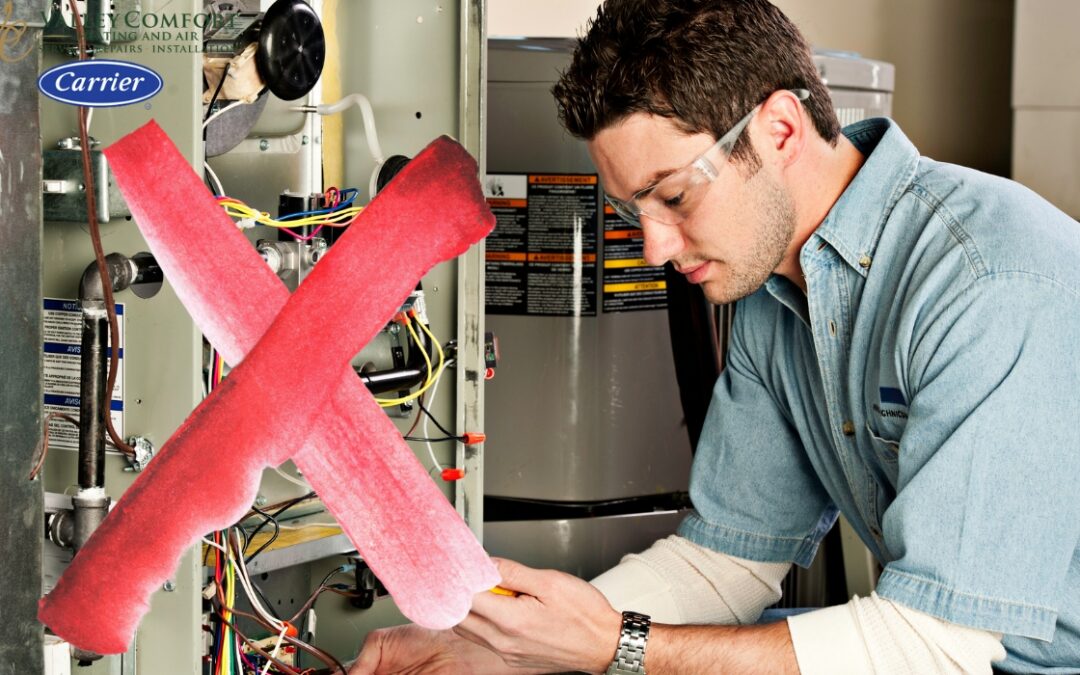
California is moving quickly toward cleaner indoor heating. By 2030, new gas furnaces and water heaters will no longer be sold statewide, and Sonoma County homeowners are already starting to feel the effects. If your current system is aging or due for replacement in the next few years, now’s the time to plan ahead. We’re here to help you understand what’s changing, how the new regulations work, and what you can do to stay comfortable, compliant, and cost-efficient.

Understanding the Natural Gas Appliance Phase‑Out
In 2022, the California Air Resources Board (CARB) approved a statewide commitment to phase out the sale of new gas furnaces and water heaters by 2030. The goal is to cut emissions from fossil-fuel heating and move homes and businesses toward efficient electric alternatives like heat pumps.
The Bay Area Air Quality Management District (BAAQMD) has adopted rules that put this change into effect even earlier than the state mandates. Starting in 2027, all new gas water heaters sold in the Bay Area must meet zero-NOx standards. For gas furnaces, that deadline starts in 2029. The rules apply to residential homes first, with multifamily and commercial buildings following in 2031.
If you’re using a gas furnace or water heater now, you’re not required to remove it immediately. These rules only affect new appliance sales. That said, if your current system fails after these compliance dates, you’ll need to replace it with a zero-emission model.
Timeline & Scope of the Mandate
This is a schedule with clear milestones. Staying ahead of these dates means you can take advantage of electrification incentives and avoid reactive decisions during equipment failures. Here’s a simplified breakdown of what’s ahead:
- 2027: All new gas water heaters must meet zero-NOx standards in the Bay Area.
- 2029: New gas furnaces must also meet zero-NOx standards. Most homeowners will be looking at electric heat pumps as replacements.
- 2030: CARB’s statewide rule kicks in, banning sales of gas furnaces and water heaters across California.
- 2031: Zero-NOx appliance requirements expand to include commercial and multifamily water heaters.
These regulations do not apply to gas stoves or cooking appliances. The focus is on heating systems and water heaters, which are major sources of indoor and outdoor air pollution.
Why Electrification Matters
Replacing gas appliances with electric alternatives like heat pumps isn’t just about compliance. The move supports cleaner air, healthier communities, and lower climate impacts for future generations. Here’s why these matters for you:
- Health Benefits: Gas appliances release nitrogen oxides, which contribute to asthma, heart conditions, and respiratory illness. Phasing them out is projected to prevent up to 85 premature deaths each year in the Bay Area.
- Air Quality Improvements: NOx pollution from gas appliances rivals the total from all passenger vehicles in the region. The zero‑NOx furnace regulation will help reduce smog-forming emissions and fine particulate matter (PM2.5) in neighborhoods like Santa Rosa and Petaluma.
- Climate Goals: The 2030 gas appliance ban in California could prevent 154 million metric tons of CO₂ emissions by 2045. This is the equivalent of removing nearly 3.6 million gas-powered cars from the road.
- Cumulative Impact: The sooner outdated gas appliances are retired, the greater the health and environmental gains. Every replacement makes a difference.

What It Means for Sonoma County Homeowners
If you live in Windsor, Rohnert Park, Sonoma, or anywhere else in the North Bay, the implications are simple: once your current gas furnace or water heater fails after the cutoff dates, you’ll need to replace it with an electric system. Here’s what to expect and why early planning is so important:
- Heat Pumps Will Become the Standard: These dual-purpose systems provide both heating and cooling without burning gas. They work efficiently year-round, even during hot spells or cool mornings.
- You May Need an Electrical Upgrade: A panel upgrade for a heat pump is usually required, especially if your home has an older 100-amp system. Heat pumps typically need 20–50-amp dedicated circuits.
- Waiting Could Cost You: Waiting until your system breaks down could leave you scrambling during peak HVAC season and potentially paying more for emergency installation. If you upgrade early, you’ll have time to:
- Apply for rebates
- Compare equipment options
- Complete any needed panel upgrades
- Avoid the rush as compliance dates approach
- Local Rules are Already Shifting: We’re already seeing cities like Windsor and Healdsburg adopt local electrification ordinances to support the transition. We can walk you through the specific requirements in your area and help you avoid surprises.
If you’re thinking about a replacement in the next few years, start the planning process now. We’ll help you take advantage of PG&E heat pump rebates, assess your electrical needs, and schedule work around your timeline, not someone else’s emergency.
How to Prepare for the Transition
Getting ahead of the California gas furnace ban 2030 is one of the smartest things you can do as a homeowner in the North Bay. Preparation allows you to control the process and benefit from available support programs. Start with these steps:
- Check the Age of Your Current System: Gas furnaces typically last 15–20 years, while water heaters last about 8–12. If yours is nearing the end of its life, now’s the time to explore electric replacements before the rules go into full effect.
- Assess Your Electrical Capacity: Heat pumps require more power than traditional systems. If your panel isn’t up to the task, we can help you evaluate whether a full panel upgrade for heat pump installation or a load management solution makes more sense for your home.
- Research Rebates and Incentives: Programs like Sonoma Clean Power, TECH Clean California, and the Inflation Reduction Act offer thousands of dollars in rebates—up to $8,000 for heat pump HVAC systems. We’ll walk you through what’s available and help you claim every dollar.
- Schedule a Consultation with Valley Comfort: We’ll review your current HVAC system, help you create a phased electrification plan, and coordinate with licensed electricians if needed. We’re here to make sure your transition is smooth, affordable, and fully compliant.
Why Choose Valley Comfort as Your Electrification Partner
We’ve been serving Sonoma County for years, and we understand the challenges homeowners face when upgrading to electric systems. We specialize in:
- Heat Pump Installation: From single-zone systems to full HVAC conversions, we’ll help you select the right Carrier system that fits your space, usage habits, and efficiency goals.
- Electrical Coordination: If your home needs a panel upgrade or additional circuits, we’ll coordinate with licensed electricians to make sure everything is up to code.
- City Permits and Compliance: We stay current with local rules and requirements in Santa Rosa, Petaluma, Rohnert Park, and other Bay Area cities so you don’t have to stress about paperwork or inspections.
- Utility Rate Planning: We’ll help you understand how to optimize your system for time-of-use rates or solar integration.
- Ongoing Service and Support: Our maintenance plans and equipment warranties give you peace of mind long after installation.
We know this transition is a big step, and we’re here to make it as smooth and affordable as possible.
Stay Ahead of the 2030 Gas Ban
The 2030 gas furnace ban is coming fast, but that doesn’t mean you need to wait until your system fails to act. Let’s get ahead of it together. Whether you’re in Santa Rosa, Windsor, Healdsburg, or anywhere in between, we’re ready to help you prepare. Contact your local certified Carrier experts at Valley Comfort Heating & Air today to schedule your electrification consultation. We’ll evaluate your current setup, explain your compliance options, and design a plan that maximizes rebates and minimizes disruption.