
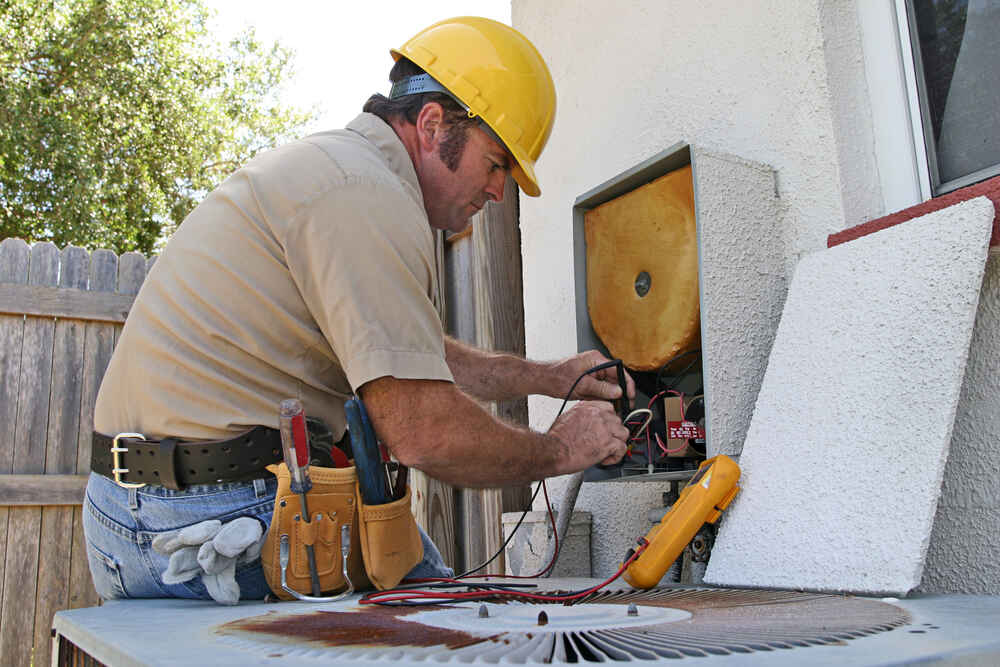
High AC dependency rates are prevalent in California. Only one thing can help us through the hot summer, while at home or in the office. The solution is an air conditioner and this valuable piece of equipment provides you with much needed comfort throughout hot summer days. A busy schedule should never be the reason why your AC is neglected and guaranteed the proper maintenance it deserves.
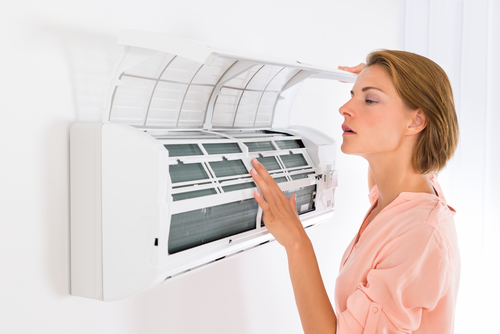 The main air conditioning system in your home or office has several parts that function together to fulfill a purpose. This purpose would be to eliminate heat and exhale chilled air into the home or office. If one of the parts no longer operate as expected, it can create those pesky noises that we all dread hearing:-
- Clicking- also common with an electrical hitch such as the relay switch
- Cracking- issues with the motor or the compressor
- Squealing- suggests a damaged blower motor belt
- Clinking- problems in the ducts, pertain to issues with the fan or loose internal mounts
- Humming- generally heard with a major electrical hitch
You may need to schedule an appointment that can result in repair or you may need a new installation. This depends on the severity of the problem. If you are looking for a state of the art air conditioning system you should then review Carrier Air Conditioners. We at Valley Comfort Heating and Air Conditioning take pride in promoting this product as it is definitely one of the best air conditioning unit brands in the industry.
Schedule Your Air Conditioner Maintenance
A disarrayed serpentine belt that is squealing is a simple repair, but if you wait too long, the belt might cause your system to stop altogether. This shutdown may come during the summer, at a time when you definitely need your system most.
A symptom of a loose fan blade is a clinking noise. If you don’t get this problem resolved the consequences are quite fatal for your air conditioning unit. This can develop into more serious permanent internal damage.
So why not schedule a service with your skilled technician, so that all your problems will be managed efficiently and effectively. Never wait until the problem gets out of hand to schedule your service. Contact us and save time and money!
Frequently Asked Questions about Air Conditioning in California

1. What are common signs that my air conditioner needs maintenance?
Regular maintenance is crucial for optimal AC performance. Common signs your AC needs attention include unusual noises like clicking, cracking, squealing, clinking, or humming. Each sound can indicate specific issues such as electrical problems, motor or compressor troubles, blower motor belt damage, duct issues, or loose internal mounts.
2. How often should I schedule AC maintenance?
It’s recommended to schedule AC maintenance at least once a year, preferably before the hot summer months. Regular check-ups can prevent unexpected breakdowns and ensure your system operates efficiently when you need it most.
3. What is the best way to prevent AC breakdowns during summer?
Preventive maintenance is key. Ensure your AC is serviced annually, clean or replace filters regularly, and address any unusual noises immediately. This proactive approach can help avoid inconvenient breakdowns and expensive repairs during peak usage times.
4. What causes clicking noises in an air conditioner?
Clicking noises often indicate electrical issues, such as a malfunctioning relay switch. If you hear this sound, it’s important to have a professional inspect your system to prevent further electrical complications.
5. Why is my air conditioner making a cracking noise?
Cracking noises typically stem from problems with the motor or compressor. These components are vital for your AC’s operation, so any irregular sounds should be checked by a technician promptly to avoid more serious damage.
6. What does a squealing sound from my AC mean?
A squealing sound usually suggests a damaged blower motor belt. This issue can cause the system to shut down if not addressed in time. Regular maintenance can catch these problems early, ensuring your AC runs smoothly.
7. How serious is a clinking noise from my air conditioner?
A clinking noise often indicates problems in the ducts or with the fan. If left unchecked, it can lead to more severe internal damage. Scheduling a service call as soon as you hear this sound can save you from costly repairs.
8. What should I do if my air conditioner is making a humming noise?
Humming noises generally point to major electrical issues. These can be dangerous and should be addressed immediately by a qualified technician to prevent further damage and ensure your safety.
9. How can I improve the efficiency of my air conditioning system?
Improving AC efficiency involves regular maintenance, cleaning or replacing filters, ensuring proper insulation, and using programmable thermostats. These steps can help reduce energy consumption and extend the lifespan of your system.
10. Why should I consider Carrier Air Conditioners for my home or office?
Carrier Air Conditioners are renowned for their reliability, energy efficiency, and advanced technology. They offer a range of models to suit different needs and budgets, ensuring optimal comfort and performance. Consulting with an HVAC professional can help you select the best model for your specific requirements.
