(707) 539-4533 |  Sonoma Napa and Marin Counties

Owning a home HVAC unit can be wonderful, especially when the weather outside is uncomfortably warm. However, the performance of your air conditioner can be affected in numerous ways, some of which can distress its cooling abilities significantly. If you are experiencing trouble with your air conditioner, you may wonder whether to replace it or not. Do you need a brand-new unit, or can your existing system be salvaged with some repair work from trusted professionals? Different circumstances will demand different approaches.

There are many situations in which you can solve problems with your home HVAC unit by having it repaired, but the replacement will be more cost-effective in some instances. Knowing when to repair and when to replace can save you a lot of time and money, especially if you live in an area where having a functional home HVAC unit is essential. Fortunately, we’ve put together a guide that can help. Review the information below carefully so that you can learn the difference between a problem that calls for service and one that demands a brand-new system.

  • Age: It’s Not Just a Number when it Comes to Your Home HVAC Unit
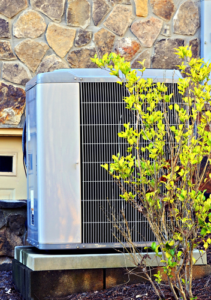
Home HVAC Unit

You might only be as old as you feel, but unfortunately the same cannot be said of your HVAC. In fact, the age of your system is one of the most important factors to consider when deliberating whether to replace it. The rule of thumb is that you should replace your HVAC system when the heat pump or air conditioner is more than ten years old, or if your furnace or boiler is more than 15 years old. However, some technicians propose using the “5,000 rule” as an alternative.

  • What is the “5,000 Rule”?

The “5,000 rule” works like this: multiply the age of your air conditioner (in years) by the repair cost (in dollars). If the total is less than 5,000, repair the unit. Otherwise, replace it. HVAC owners who use this rule may find that repairs are still cost-effective for systems that are older than ten years. For example, if your system is 12 years old, but the proposed repairs will only cost $250, the total will just be 3,000—well within the acceptable range for repairs.

  • Remember: Specific Problems Require Specific Solutions

The rules mentioned above can be useful in general cases, but sometimes you will experience particular difficulties with your unit, even when it passes them. For example, what should you do when your system is cooling some parts of your home but not others? Moreover, what should you do if you just serviced your system but can’t feel any difference when using it? Such problems call for more than a rule of thumb.

Let’s look at the first example in greater detail. The most common reason an HVAC will affect some rooms more than others is that there is a problem with the ductwork. When your ducts are blocked, air may be unable to circulate throughout your entire home. If this is the case, you may experience excellent heating and cooling—but only in part of your house. However, this is not a reason to replace your entire HVAC system. Instead, it will be much more cost-effective to call a service technician to come over and clean your ductwork. Find a licensed technician in your area with plenty of experience, so that you can enjoy reliable and reasonably-priced assistance.

Perhaps you have recently arranged for HVAC service, but your system still isn’t performing the way it once did. If repeated repairs have failed to produce improvements, it may be a better idea to replace the system before those repair costs have a chance to accumulate into serious expenses.

  • Invest in Service the Way You Would Invest in a New HVAC

Whether you decide to seek repairs or replacements, it is always best to trust qualified technicians with the job. Look for an established company that enjoys a sterling reputation within the area to perform your maintenance, repairs, or installation of any new products. Qualified technicians take a detail-oriented approach that solves problems quickly and thoroughly, and will work hard to make sure any replacement system you purchase is appropriately sized and installed.

  • Take Care of a Home HVAC Unit, and It Will Take Care of You

Replacement will probably be necessary at a certain point in the life of your home HVAC unit, but you can put it off for years with proper maintenance and service. Choose technicians you can trust, and make sure to have them check your system out at least twice a year for impending red flags that could affect its lifespan. If you do need to replace your system, make sure the people you choose to do it are similarly trustworthy and experienced. Follow this advice, and you’ll have a much more rewarding experience with the HVAC in your home—whether it’s new or old.
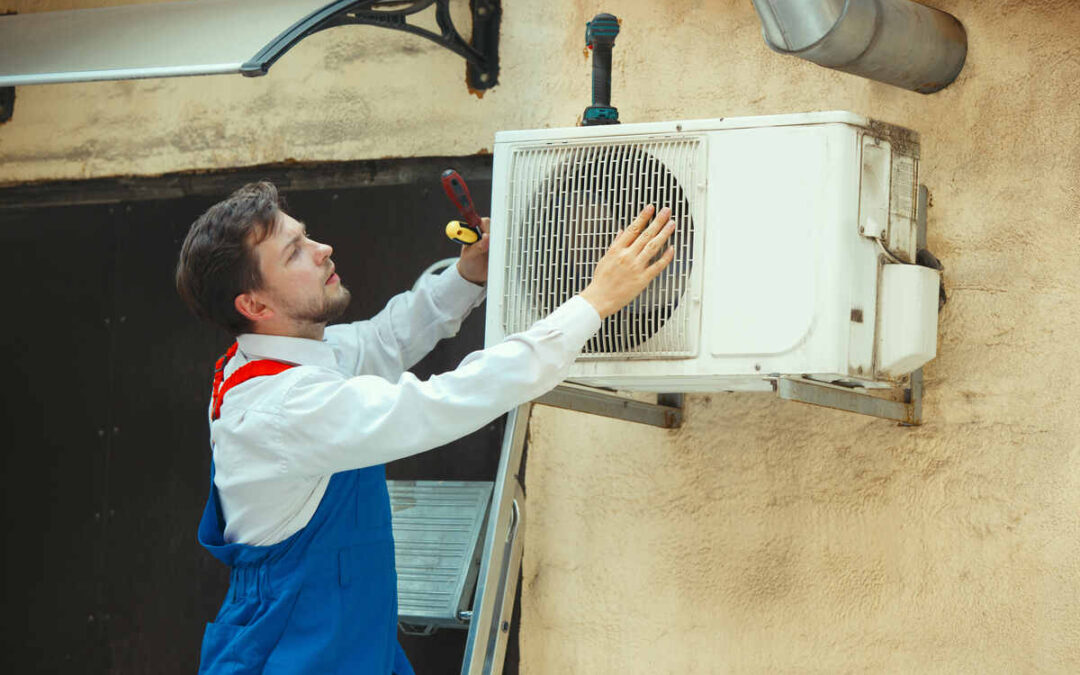

HVAC systems, comprising of heaters, furnaces, boilers, air conditioners and humidifiers among other equipment, outlive their efficiency after some time; leading to low output and high energy consumption. When this happens, people need to replace heating and cooling equipment with high-efficiency units. Additionally, a programmable thermostat would go a long way in helping save energy and money as it can be set to temperatures and time when to switch the equipment on or off. Below are a few signs that HVAC equipment needs replacing.

Factors influencing HVAC equipment replacement

Aging

Heater, boilers and furnaces, among other HVAC equipment, have optimum functionality for set periods of time, after which they wear out and function less effectively; resulting in higher energy bills. Most products have a lifetime of 10, 15 or 20 years, depending on the product. When the manufacturer’s time limit on the product approaches or expires, it is time for users to start thinking of replacement. Of course, regular maintenance of the product could increase the products’ life while improper installation and use could dramatically reduce the product’s life.

Heating Maintenance

Low efficiency

The HVAC industry has, today, invented many energy efficient equipment; from lighting bulbs to heating and cooling equipment. Anyone who has old-generation equipment that incurs higher energy bills than reasonable should seek to replace these equipments with energy efficient and quiet equipment. Rebates and other programs help people fund such projects.

Regular and costly repairs

Whether HVAC equipment has outlived its functional life or not, when it starts consuming more energy with less output, operates noisily and breaks down often, it is time to replace it. Sure some of the faults can be fixed through repairs, but when the repairs become too frequent and expensive, acquiring new high-energy efficiency units can save a lot of money in the long run.

Programmable thermostat

Programmable thermostats enable people set the temperatures and time they need their equipment to run. A programmable thermostat switches off the equipment on reaching the set controls or time. This prevents excessive consumption of energy; running the equipment when heating or cooling needs are not needed, such as when no-one is in the premises.

Asbestos Abatement Services

Conclusion

Heating and cooling needs can be considered basic as their fulfilment makes premises habitable. HVAC systems consume power to function, and it is important to use high-efficiency units. Replacing heating and cooling equipments should be a planned task that seeks to get rid of ineffective and failing equipment with energy efficient equipments. It is of utmost importance to employ the air-conditioning-services-in-santa-rosa of HVAC professionals to help one determine what equipments best suit him/ her, as well as install the new equipment, including a programmable thermostat. Regular checkups of one’s HVAC equipment, by these professionals, can, also, detect failing equipment and recommend the owner for an upgrade.

Frequently Asked Questions About HVAC Equipment Replacement

How Do I Know When It’s Time to Replace My HVAC Equipment?

Signs indicating the need for HVAC equipment replacement include aging units, decreased efficiency leading to higher energy bills, and frequent and costly repairs. If your system is over 10-15 years old, struggles to maintain comfort levels, or requires frequent repairs, it might be time for an upgrade.

What Are the Factors Influencing HVAC Equipment Replacement?

Aging, low efficiency, and regular and costly repairs are the main factors influencing HVAC equipment replacement. Over time, HVAC systems lose efficiency and effectiveness, leading to increased energy consumption and discomfort. Upgrading to high-efficiency units can alleviate these issues.

How Does Aging Affect HVAC Equipment?

HVAC equipment, including heaters, boilers, and furnaces, typically have a lifespan of 10-20 years. As they age, they become less efficient and prone to malfunctions, resulting in higher energy bills and decreased comfort. Regular maintenance can extend their lifespan, but eventual replacement becomes inevitable.

What Are the Benefits of Energy-Efficient HVAC Equipment?

Energy-efficient HVAC equipment helps reduce energy consumption and utility bills while providing consistent comfort. Upgrading to modern, high-efficiency units can result in significant cost savings over time, often offsetting the initial investment through rebates and incentives.

How Can Programmable Thermostats Improve Energy Efficiency?

Programmable thermostats allow users to set customized heating and cooling schedules based on their lifestyle and preferences. By automatically adjusting temperature settings according to occupancy patterns, programmable thermostats help optimize energy usage and reduce waste.

What Should I Consider When Planning HVAC Equipment Replacement?

When planning HVAC equipment replacement, consider factors such as energy efficiency, system compatibility, and professional installation. Consulting with HVAC professionals can help determine the best options for your specific needs and ensure proper installation for optimal performance.

HVAC 101 Everything you need to know

Are There Financing Options Available for HVAC Equipment Replacement?

Yes, many HVAC companies offer financing options or assistance programs to help homeowners afford the upfront costs of equipment replacement. Additionally, rebates and tax incentives may be available for upgrading to energy-efficient systems, further reducing the financial burden.

How Can I Find a Reliable HVAC Professional for Equipment Replacement?

To find a reliable HVAC professional, research local companies, read reviews, and ask for recommendations from friends and family. Look for certified technicians with experience in equipment replacement and installation to ensure quality service.

What Maintenance Practices Can Prolong the Lifespan of HVAC Equipment?

Regular maintenance, including changing air filters, cleaning coils, and scheduling professional tune-ups, can help prolong the lifespan of HVAC equipment. By addressing minor issues early and keeping the system well-maintained, homeowners can avoid costly repairs and premature replacement.

Why Is Professional Installation Important for HVAC Equipment Replacement?

Professional installation ensures that HVAC equipment is correctly sized, installed, and calibrated for optimal performance and efficiency. Improper installation can lead to system inefficiencies, comfort issues, and premature equipment failure, costing homeowners time and money in the long run.