Swamp coolers, also known as evaporative coolers, are the eco-friendly alternative to HVAC systems, and they work by using water evaporation to reduce temperatures, so you can keep your energy consumption down while still remaining comfortable and lowering your carbon footprint. Unfortunately, evaporative coolers also have their downsides; here’s how swamp coolers stack up against HVAC units and what you should look out for before investing in one system or the other.


The History of Swamp Coolers

Before air conditioning units came into popular use, swamp coolers were a cheap, efficient way to keep houses cool. First used in Ancient Egypt, swamp coolers have been around for more than 2,000 years! Modern cooling technology has made swamp coolers mostly obsolete and only about 12% of households still use them. There are a few reasons why you might choose to install a traditional swamp cooler instead of an air conditioner:

1) Energy savings – Swamp coolers don’t require as much electricity or freon (the gas used in most HVAC systems). That means they’re cheaper to operate and won’t cost you extra money on your monthly energy bill. Some states even offer rebates and tax credits for using alternative cooling systems like swamp coolers.

2) They’re more eco-friendly – You don’t have to worry about using chemicals or refrigerants, which may be harmful to your health and can even deplete ozone. Swamp coolers also won’t release dangerous greenhouse gases into the atmosphere.

3) They’re safer – Old swamp coolers use less electricity, so they’re less likely to spark fires or burn down your house! You’ll also find that you don’t need a maintenance contract on these old-fashioned units, since they last longer than air conditioner systems. All in all, they may be cheaper in terms of both cost and safety! That’s why some states give tax credits for homeowners who install swamp coolers instead of AC units.


The Benefits of Using a Swamp Cooler

Swamp coolers provide all of their cooling through evaporation. Evaporative cooling doesn’t require a huge amount of electricity to run, which makes them ideal for use in dry climates where humidity is high and electric rates are low. In these conditions, swamp coolers can save you up to 75% on your energy bills, compared to running an air conditioner. Because there’s no compressor or refrigerant, these units are also incredibly quiet and don’t produce any ozone-depleting chemicals (like CFCs). This means they can be used indoors without requiring special ventilation systems or ventilation ductwork. One of my favorite features about swamp coolers is that they aren’t as intimidating to install or maintain as some types of AC units.

One of my favorite features about swamp coolers is that they aren’t as intimidating to install or maintain as some types of AC units. For example, their installation doesn’t require an external condenser, so you don’t need to worry about placing it in a place where it has a free flow of outside air. Their components are also typically smaller and lighter than other types of cooling systems, which makes them easier to move around if you need more room in your backyard. That being said, these cooling systems can still be a bit tricky to set up correctly, so I recommend hiring a professional before attempting any installations yourself!


Getting Started with a Swamp Cooler

The best way to understand how a swamp cooler works is to just go out and buy one. A traditional swamp cooler looks something like a big box fan on steroids with an evaporative pad connected to it. They’re not overly expensive, either — you can easily get one for less than $100 if you shop around online. Swamp coolers are especially convenient because they don’t require any special installation. If your house has an attic or spare room where you could stash a unit, then buying a swamp cooler is basically as easy as plugging it in and turning it on. That’s why they’re such an affordable option!


The Downsides to Using a Swamp Cooler

The Environmental Protection Agency (EPA) notes that using a swamp cooler can help reduce overall energy use and save on your utility bills by using less electricity to cool your home. However, according to some studies, these machines might be more expensive than central air conditioning units over time because they use significantly more energy. When you’re looking at swamp coolers versus regular HVAC units, it’s important to evaluate how long it takes for one of these machines to pay for itself if you already have one of them installed in your home. If a central air conditioner costs around $2,000 or less for installation in most places and lasts about 15 years or longer before it needs replacement, which would you choose?

While you’re looking at your options, it’s also important to consider how a swamp cooler can actually impact your electricity bills. According to estimates from The Balance, an air conditioner will reduce your home energy costs by between 33% and 50%. If a swamp cooler is used during extreme heat waves that increase in frequency due to climate change, you could see an even greater energy savings with a traditional HVAC unit. No matter which option you choose, though, it’s important to do what you can to protect yourself against increases in home energy costs. Consider looking into buying efficient appliances that use less electricity than other comparable products on the market or find ways to cut back on wasted energy throughout your home.


Swamp Coolers vs HVAC Units: What’s the Difference?

Swamp coolers are known for their effectiveness, but many people don’t know how they work. Like air conditioners, swamp coolers rely on evaporative cooling to bring down temperatures and make you feel comfortable in warm weather. So, how do swamp coolers compare to an AC unit? There are a few key differences between these two appliances that will help you choose which one is right for your needs. If you’re having trouble deciding whether or not to switch from a swamp cooler to an air conditioner, let our professionals at Valley Comfort Heating and Aire break it down for you here!


Contact Valley Comfort Heating and Air

If you’re looking for a heating and cooling system that can handle California’s unconventional climate, Valley Comfort Heating and Air is here to help. We’ll walk you through how a swamp cooler works, how it differs from an air conditioner and more. Contact us today for more information!
High AC dependency rates are prevalent in California. Only one thing can help us through the hot summer, while at home or in the office.  The solution is an air conditioner and this valuable piece of equipment provides you with much needed comfort throughout hot summer days. A busy schedule should never be the reason why your AC is neglected and guaranteed the proper maintenance it deserves.

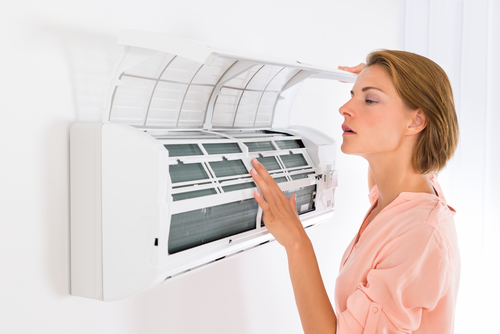
Young Beautiful Woman Opening Air Conditioner At HomeThe main air conditioning system in your home or office has several parts that function together to fulfill a purpose. This purpose would be to eliminate heat and exhale chilled air into the home or office.  If one of the parts no longer operate as expected, it can create those pesky noises that we all dread hearing:-


  • Clicking- also common with an electrical hitch such as the relay switch
  • Cracking- issues with the motor or the compressor
  • Squealing- suggests a damaged blower motor belt
  • Clinking- problems in the ducts, pertain to issues with the fan or loose internal mounts
  • Humming- generally heard with a major electrical hitch

You may need to schedule an appointment that can result in repair or you may need a new installation.  This depends on the severity of the problem. If you are looking for a state of the art air conditioning system you should then review Carrier Air Conditioners. We at Valley Comfort Heating and Air Conditioning take pride in promoting this product as it is definitely one of the best air conditioning unit brands in the industry.

Schedule Your Air Conditioner Maintenance

A disarrayed serpentine belt that is squealing is a simple repair, but if you wait too long, the belt might cause your system to stop altogether.  This shutdown may come during the summer, at a time when you definitely need your system most.

A symptom of a loose fan blade is a clinking noise.  If you don’t get this problem resolved the consequences are quite fatal for your air conditioning unit.   This can develop into more serious permanent internal damage.

So why not schedule a service with your skilled technician, so that all your problems will be managed efficiently and effectively. Never wait until the problem gets out of hand to schedule your service. Contact us and save time and money!

Frequently Asked Questions about Air Conditioning in California

Ask us for your AC installation needs

1. What are common signs that my air conditioner needs maintenance?

Regular maintenance is crucial for optimal AC performance. Common signs your AC needs attention include unusual noises like clicking, cracking, squealing, clinking, or humming. Each sound can indicate specific issues such as electrical problems, motor or compressor troubles, blower motor belt damage, duct issues, or loose internal mounts.

2. How often should I schedule AC maintenance?

It’s recommended to schedule AC maintenance at least once a year, preferably before the hot summer months. Regular check-ups can prevent unexpected breakdowns and ensure your system operates efficiently when you need it most.

3. What is the best way to prevent AC breakdowns during summer?

Preventive maintenance is key. Ensure your AC is serviced annually, clean or replace filters regularly, and address any unusual noises immediately. This proactive approach can help avoid inconvenient breakdowns and expensive repairs during peak usage times.

4. What causes clicking noises in an air conditioner?

Clicking noises often indicate electrical issues, such as a malfunctioning relay switch. If you hear this sound, it’s important to have a professional inspect your system to prevent further electrical complications.

5. Why is my air conditioner making a cracking noise?

Cracking noises typically stem from problems with the motor or compressor. These components are vital for your AC’s operation, so any irregular sounds should be checked by a technician promptly to avoid more serious damage.

6. What does a squealing sound from my AC mean?

A squealing sound usually suggests a damaged blower motor belt. This issue can cause the system to shut down if not addressed in time. Regular maintenance can catch these problems early, ensuring your AC runs smoothly.

7. How serious is a clinking noise from my air conditioner?

A clinking noise often indicates problems in the ducts or with the fan. If left unchecked, it can lead to more severe internal damage. Scheduling a service call as soon as you hear this sound can save you from costly repairs.

8. What should I do if my air conditioner is making a humming noise?

Humming noises generally point to major electrical issues. These can be dangerous and should be addressed immediately by a qualified technician to prevent further damage and ensure your safety.

9. How can I improve the efficiency of my air conditioning system?

Improving AC efficiency involves regular maintenance, cleaning or replacing filters, ensuring proper insulation, and using programmable thermostats. These steps can help reduce energy consumption and extend the lifespan of your system.

10. Why should I consider Carrier Air Conditioners for my home or office?

Carrier Air Conditioners are renowned for their reliability, energy efficiency, and advanced technology. They offer a range of models to suit different needs and budgets, ensuring optimal comfort and performance. Consulting with an HVAC professional can help you select the best model for your specific requirements.
Contact us for your AC Furnace Repair

Hearing a thump coming from your HVAC system is many homeowner’s worst nightmare, but it doesn’t have to be. Not all thumping noises in heating and air conditioning systems signal costly repairs or lengthy downtime. Though only a qualified technician can provide a definitive answer, having a few clues about what might be wrong can help narrow things down. Here’s what you need to know.

Understanding Your HVAC System

Most modern heating and cooling systems feature a series of air ducts connected to a blower motor. When something goes wrong with your system, it will usually be something wrong with the blower motor, as it contains the highest proportion of moving parts. Sometimes, though, things go wrong with ducts. Ducts can come loose, while filters can become clogged with dust, pet hair, and the other detritus of daily life.

Rattling

Rattling is one of the most common sounds homeowners hear coming from their heating and cooling systems. Most often, rattling sounds mean that something in the blower motor is beginning to work itself loose, causing a part of the motor or assembly to strike against nearby duct work. If you hear rattling, you should immediately turn your system off and have it inspected. Attending to whatever is causing the rattle is often as simple as tightening connectors. If you wait until something actually breaks, repairs may be significantly more costly.

Thwapping

“Thwapping” (or a sound similar to a piece of rubber or plastic striking a hard surface) is another common indication of trouble, but doesn’t necessarily mean an expensive repair. Sometimes objects get caught in HVAC fan blades, striking against nearby duct work or the blower motor as the fan turns. If you’ve had your heat register covers off or recently replaced a filter, it is possible something that shouldn’t be there has gotten into the system and is gumming up the works. Most often the noise goes away as soon as the obstruction is cleared.

Clanging or Banging

Clanging or banging are also common sounds for a faulty HVAC system to make. Usually these sounds are the result of the blower motor not operating smoothly. Sometimes the motor is simply out of alignment and is banging on nearby duct work as the motor components turn. Clanging and banging can also mean something has broken within the motor itself and is banging around inside the housing. Either of these problems needs immediate attention, as allowing a broken motor to run can cause more damage. Sometimes, however, the problem is that a connection in the duct work has come loose and is being rattled by the force of air passing through it.

Screeching

While not technically a “thumping” noise, screeching sounds are common enough that they deserve some consideration. HVAC systems (like the electric motors in automobiles) operate via the use of belts. A worn, cracked, or dried-out belt can produce a screeching noise. Belts are usually a quick and inexpensive fix; most often you simply need to have the belt replaced. Like the other problems on this list, however, you’ll need to attend to the problem. Once a belt actually breaks, it can damage other components of your system and require a more expensive repair.

Final Thoughts

The HVAC system in your home is crucial to keeping your family comfortable during hot and cold weather, so it pays to take care of it. By addressing signs of trouble early, refraining from running a noisy system, and investing in the air conditioning services of a qualified repair tech, you can prevent more costly repairs and keep your system running smoothly for years to come.